
Our RYAN Sport Club experts can help you discover new training techniques and exercises
that offer a dynamic and efficient full-body workout.
Meditation is a practice in which an individual uses a technique – such as mindfulness, or focusing the mind on a particular object, thought, or activity – to train attention and awareness, and achieve a mental clear and emotionally calm and stable state. Meditation is practiced in numerous religious traditions. The earliest records of meditation (dhyana) are found in the Upanishads, and meditation plays a salient role in the contemplative repertoire of Jainism, Buddhism and Hinduism.Since the 19th century, Asian meditative techniques have spread to other cultures where they have also found application in non-spiritual contexts, such as business and health. Meditation may significantly reduce stress, anxiety, depression, and pain, and enhance peace, perception,self-concept, and well-being. Research is ongoing to better understand the effects of meditation on health (psychological, neurological, and cardiovascular) and other areas.
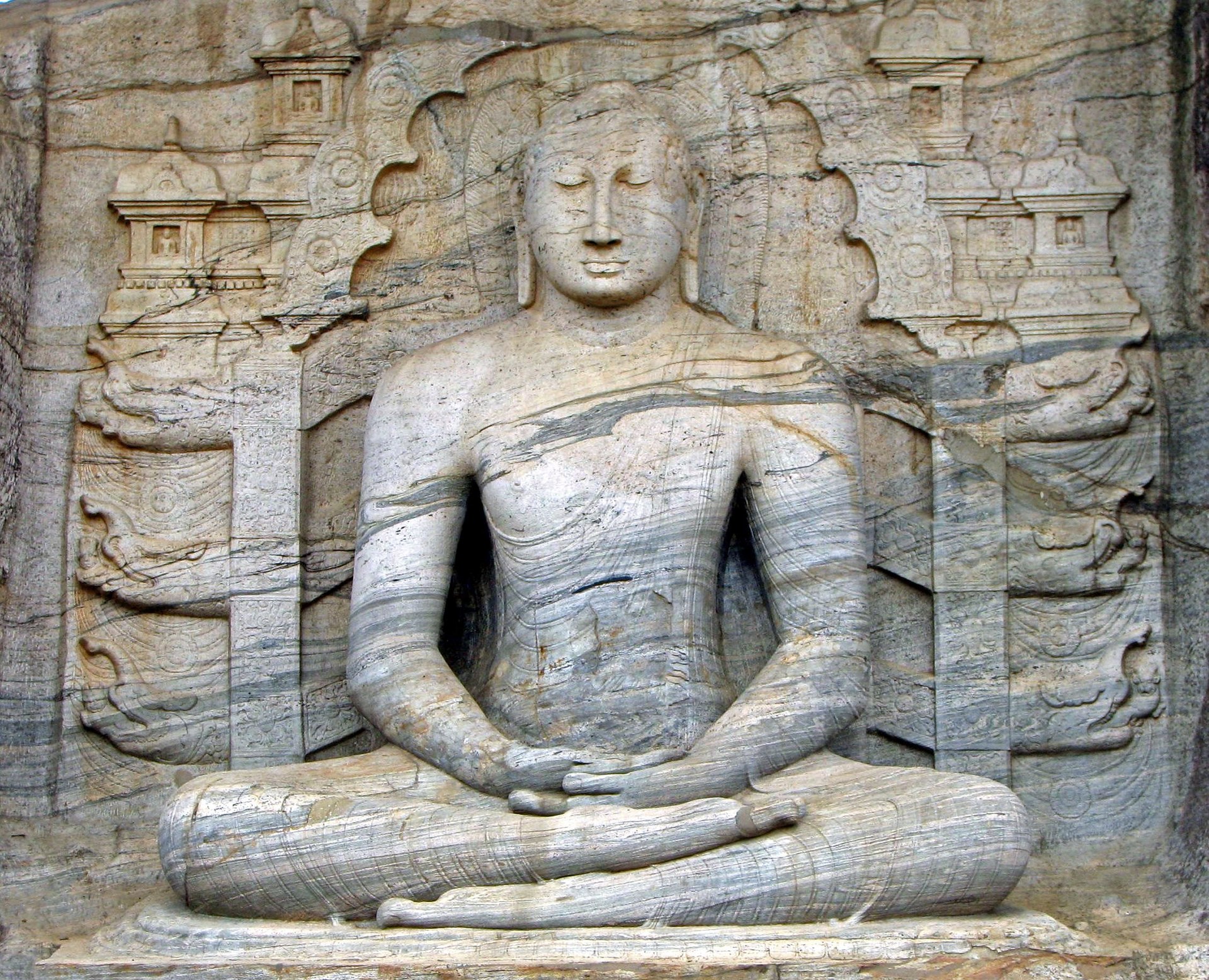
Practical meditation has different meanings in different contexts. Meditation has been
practiced since ancient times as part of many traditional religions and beliefs. It
usually involves an internal human effort to self-regulate the mind in some way.
Meditation includes a large number of activities including techniques designed to
promote relaxation, build inner energy or life force (qi, prana, etc.) love, patience,
tolerance and forgiveness. A great ambition of meditation is to focus on easy
concentration to maintain complete focus on reality, that is, for meditators to enjoy an
unbreakable sense of well-being while engaging in whatever it is. any activity in
life.
This is a term used by many religions to refer to different methods of practice, but
with a single purpose: to experience "Awakening", "Liberation", "Enlightenment". In the
schools of tantric practice — "secret" (en. esoteric) here means the practice to
experience self-awareness, not paying attention to the external frills of religion,
which can be called "esoteric" — forefathers have researched and developed different
paths suitable to each person's personality and foundation to reach the above-mentioned
valuable experience. If one understands "Religion" as the answer to the "imperfections",
"incompleteness", "diseases" of people, then Zen is the medicine to treat those
diseases.
The hallmark of all forms of Zen practice is guiding one to a concentrated, calm state
of mind, like a pool of water that can only be seen to the bottom if the surface of the
water is undisturbed. This peaceful, calm state of mind can be achieved in a variety of
ways, such as practicing Haṭhayoga (vehicle control ), focusing on a picture, a Thangka,
or a sound like Mantra, a koan...
British psychologist and Zen Master David Fontana writes a very good summary of what is
Zen and what is non-Zen:
“Meditation does not mean falling asleep; let the mind sink into a coma; shun, away from
the world; selfish, thinking only of themselves; do something unnatural; to fall into
delusion; forget where I am. Meditation is: keeping the mind alert, flexible; attention,
concentration; see the world as clearly as it is; cultivate humanity; I know who I am
and where I am.".
New student special! $30 unlimited Gym for the first week anh 50% of our member!